
Make sure your home is wired for the future
Building a new home or remodeling your existing home? It’s the perfect moment to run wiring through your home to ensure blazing-fast speeds and whole-house connectivity. Allow us to work with your architect, builder, or designer to make it happen.
Benefits:
- Proper placement of outlets, Ethernet ports, speaker wires, and more
- Cost savings versus post construction installation
- Whole house control, high speed internet, climate control, and audio/visual solutions
We see beyond the wiring and truly understand the needs of today’s smart homes.
Future Home Integration can also help with your business needs, integrating solutions into your restaurant, bar, or office can bring comfort to your customers.
We have extensive structured wiring experience
Want a custom quote for your project? Send us a message or call 407-738-4130.
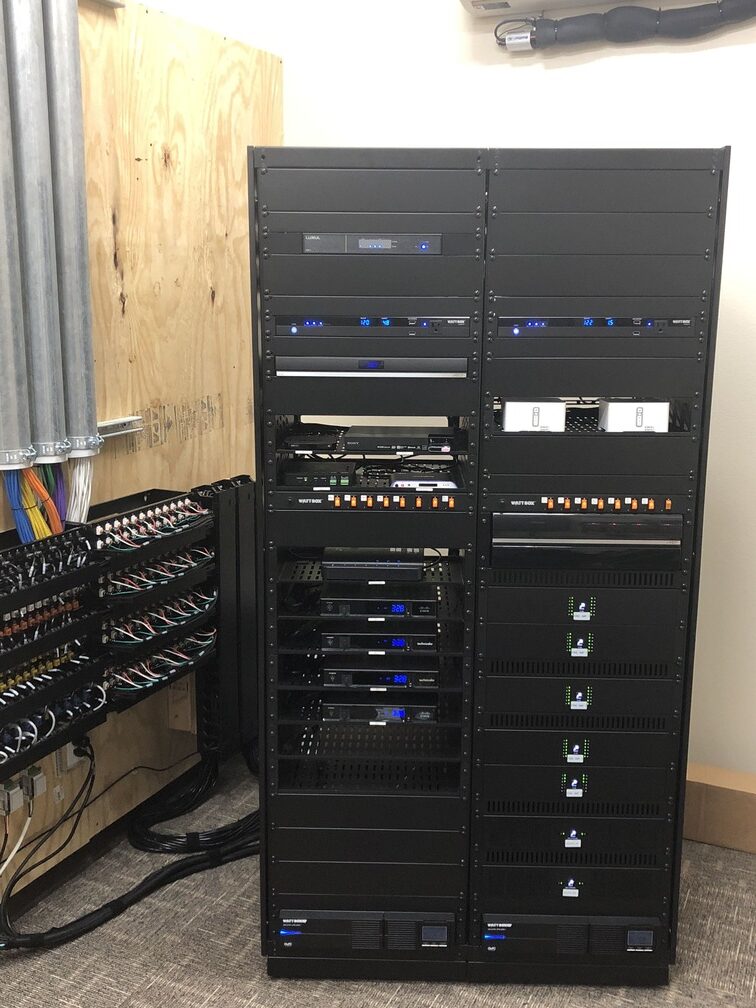
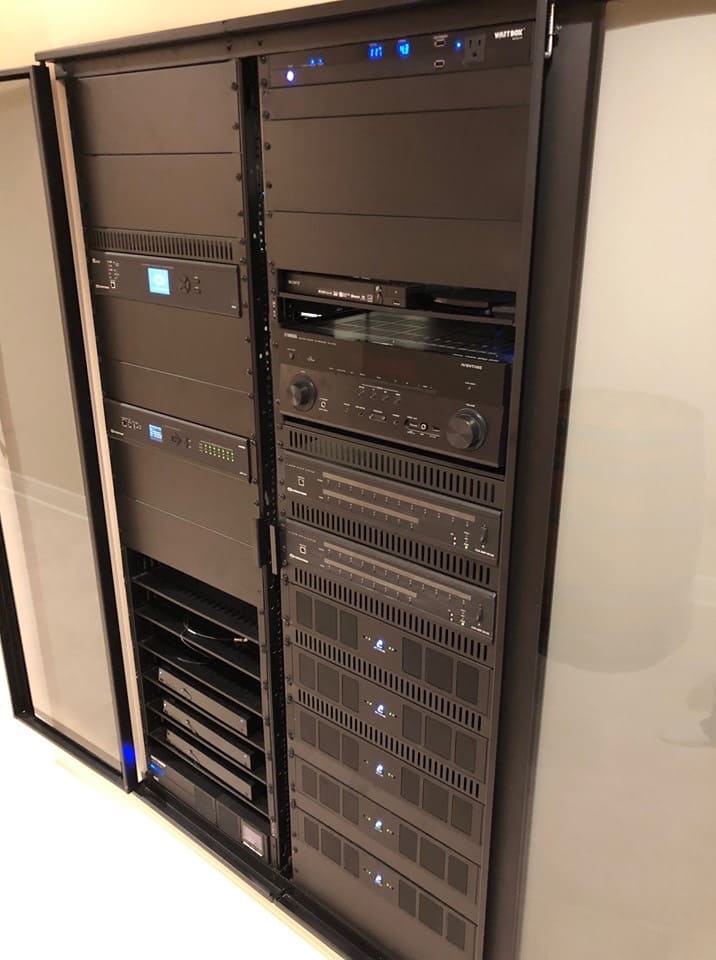
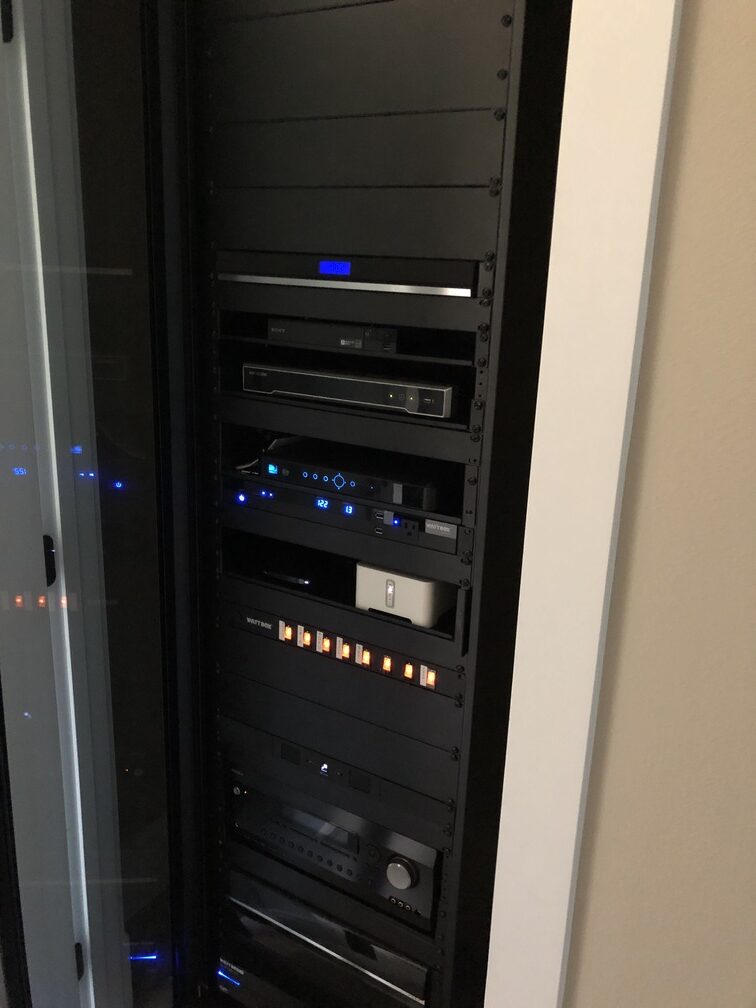
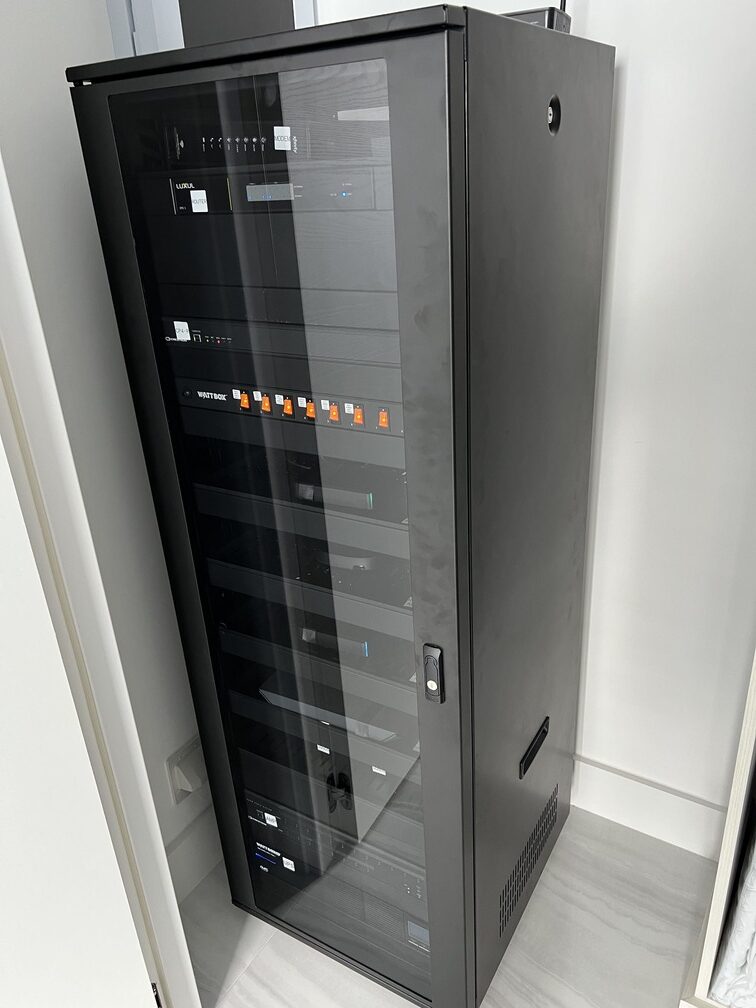
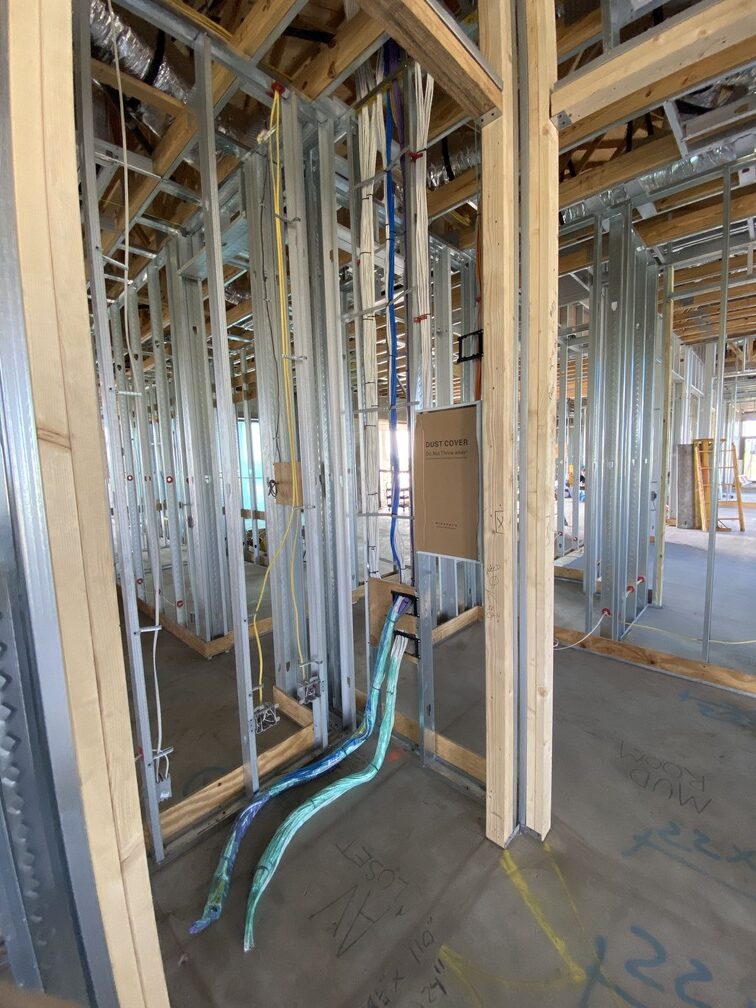
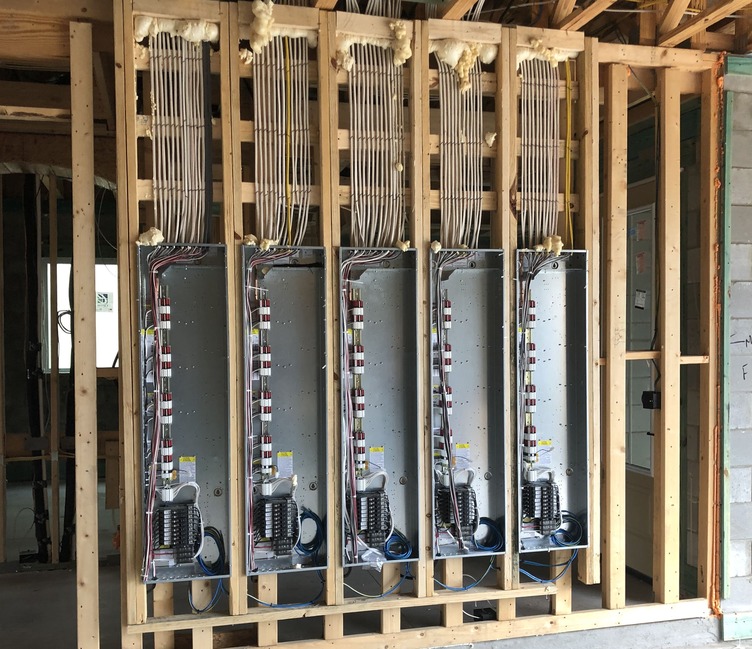
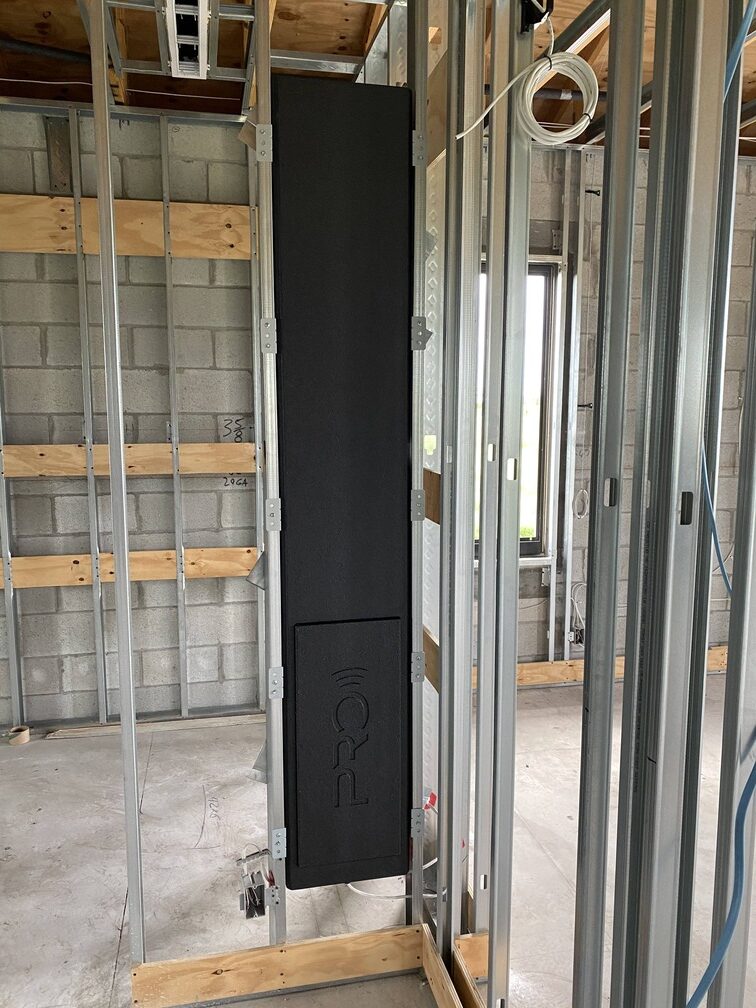
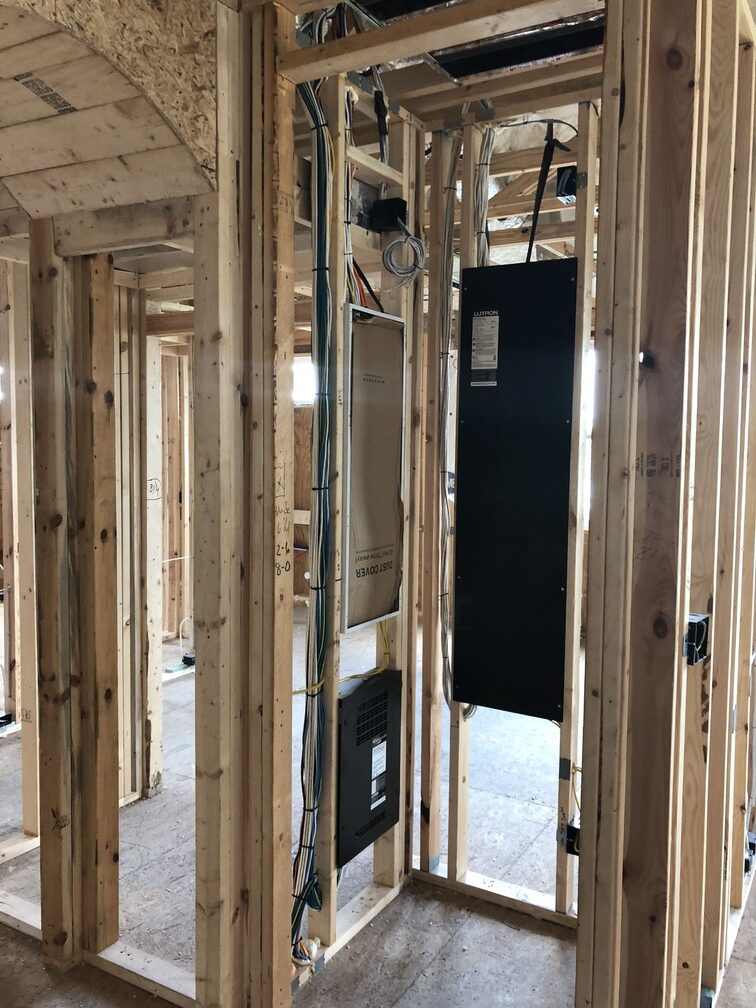
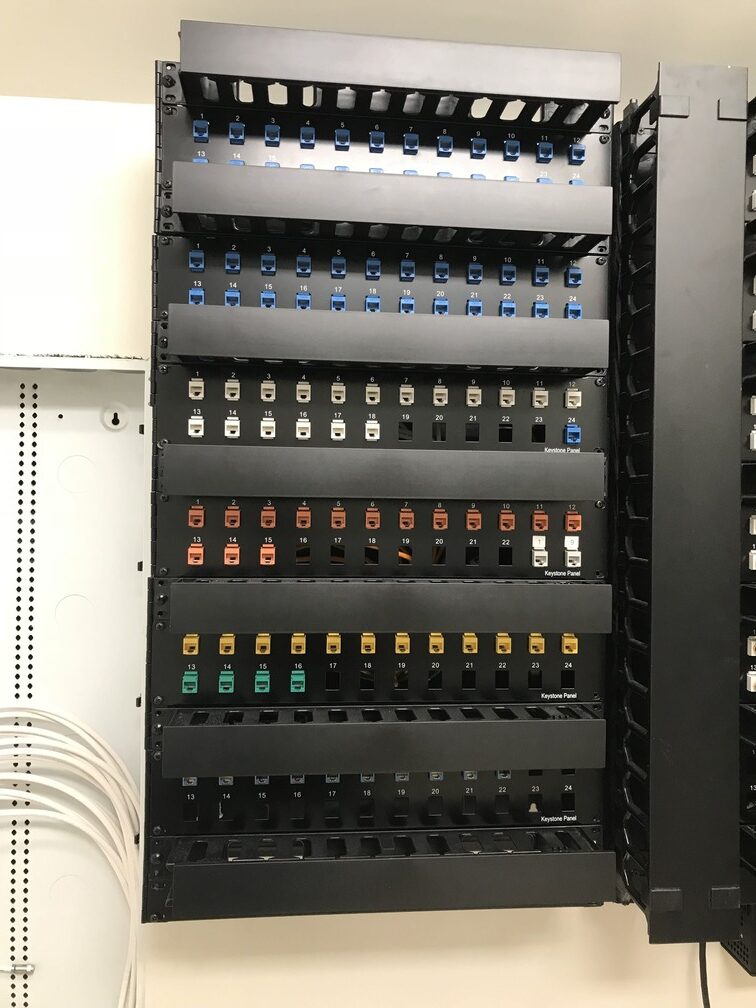
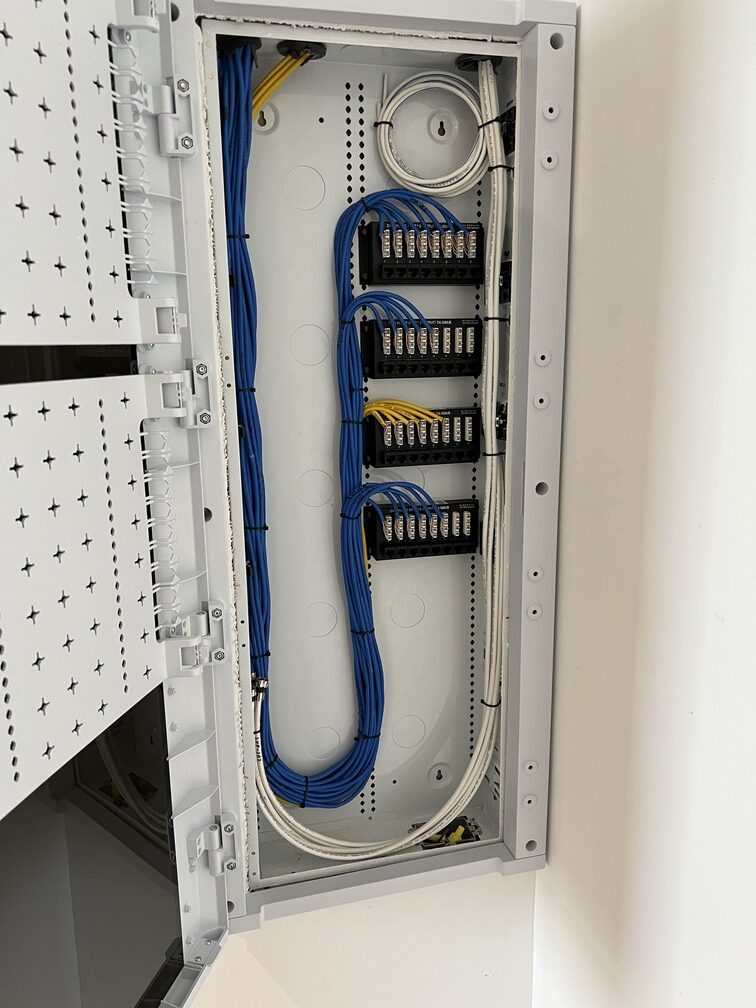
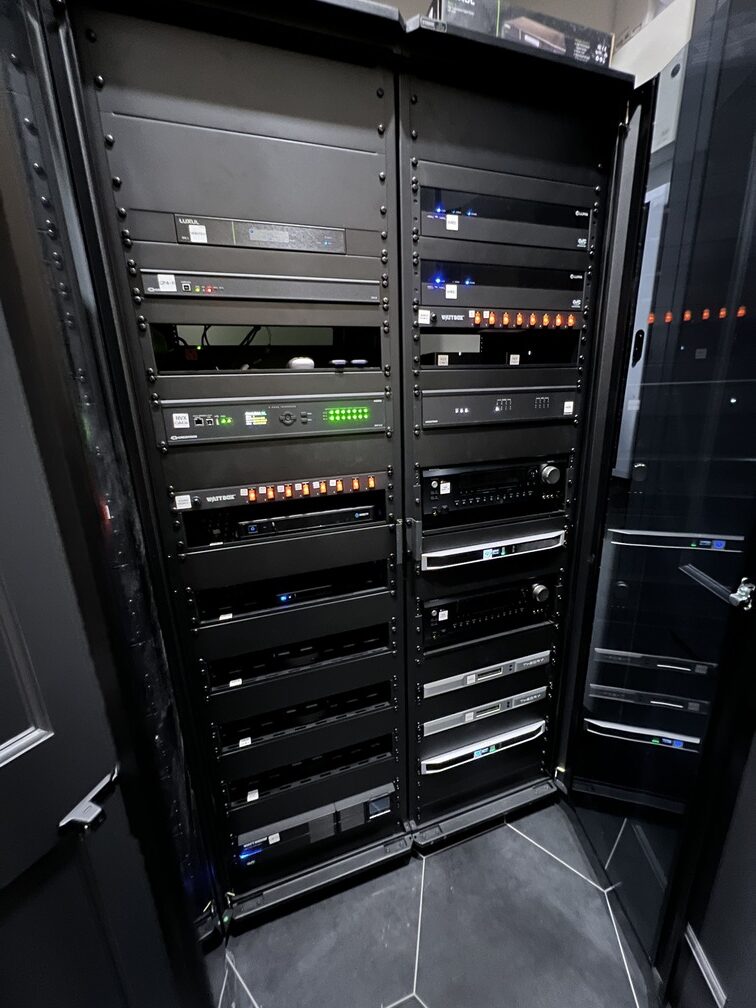
Structured Wiring
What is structured wiring, and why does my new Orlando home need it?
Structured wiring is a centralized network of high-performance cables — typically Cat6 Ethernet, coaxial, and speaker wire — running from a central media panel directly to outlets throughout the home. Unlike daisy-chained wiring, this “home-run” design gives your automation, security, and 4K/8K streaming devices dedicated, high-speed bandwidth instead of relying entirely on crowded Wi-Fi.
Can I install structured wiring after my home is already built?
Yes, but retrofitting is more invasive and costly than wiring during construction, since cables must be routed through finished drywall, attics, and crawlspaces. To minimize cost and drywall repair, we recommend running network, audio, and control cabling during the rough-in phase of a new build or major remodel, before the drywall goes up.
Do you work directly with my home builder or architect?
Yes. As a licensed Florida electrical contractor (#EC13001264), Future Home Integration regularly collaborates with Central Florida architects, designers, and general contractors, reviewing blueprints early to plan media panels, outlet placement, conduit paths, and audio zones that match your build schedule.
I moved into a home with a panel full of unlabeled cables. Can you help?
Yes. Many homeowners inherit a “bird’s nest” of unlabeled Ethernet and coaxial cables in a utility closet. We trace, test, label, and properly terminate the existing lines into a clean patch panel, then integrate your modem, router, and smart home hubs to get the whole-house network running smoothly.
Why hardwire my home if everything uses Wi-Fi now?
Wi-Fi is essential for mobile devices but degrades over distance and through concrete walls and neighbor interference. Hardwiring stationary high-bandwidth devices — smart TVs, consoles, cameras, and AV receivers — frees your wireless spectrum, so your smart-home controls respond instantly while your streaming devices enjoy a lag-free gigabit connection. The other requirement often overlooked is power. Unless a device uses a battery and/or is rechargeable, all smart devices need power. 90%+ of ancillary smart home network devices use a technology called POE (Power Over Ethernet). POE devices allow for a hardwired network connection that also provides power over the same cable. This is the most efficient way to install, deploy, and maintain these types of devices.
What type of cable do you use for a future-proof smart home?
We primarily use Cat6 or Cat6A copper for data networks, supporting speeds up to 10 Gbps with headroom for future upgrades, plus high-gauge speaker wire and dedicated coaxial for AV. Recently, fiber is becoming more common not only for the ISP service feed but for audio/video distribution. On request we also run empty conduit (smurf tube) to key AV locations so new cable technologies can be pulled through later without cutting into walls.
Do you provide structured wiring for commercial businesses in Central Florida?
Yes. We design and install commercial low-voltage structured wiring for restaurants, bars, retail stores, and offices across the Orlando area, building scalable network backbones for POS systems, multi-screen sports bars, and integrated commercial audio and lighting control.
What is the difference between structured wiring and standard electrical wiring?
Standard electrical wiring delivers high-voltage power (120V/240V) to appliances, outlets, and fixtures, while structured wiring carries low-voltage data, audio, video, and automation signals. Because low-voltage data lines are sensitive to electromagnetic interference, they must be spaced and routed properly relative to high-voltage lines — which is why the work requires a specialist who understands both data integrity and Florida electrical code.
Schedule your free consultation
Or call 407-738-4130